

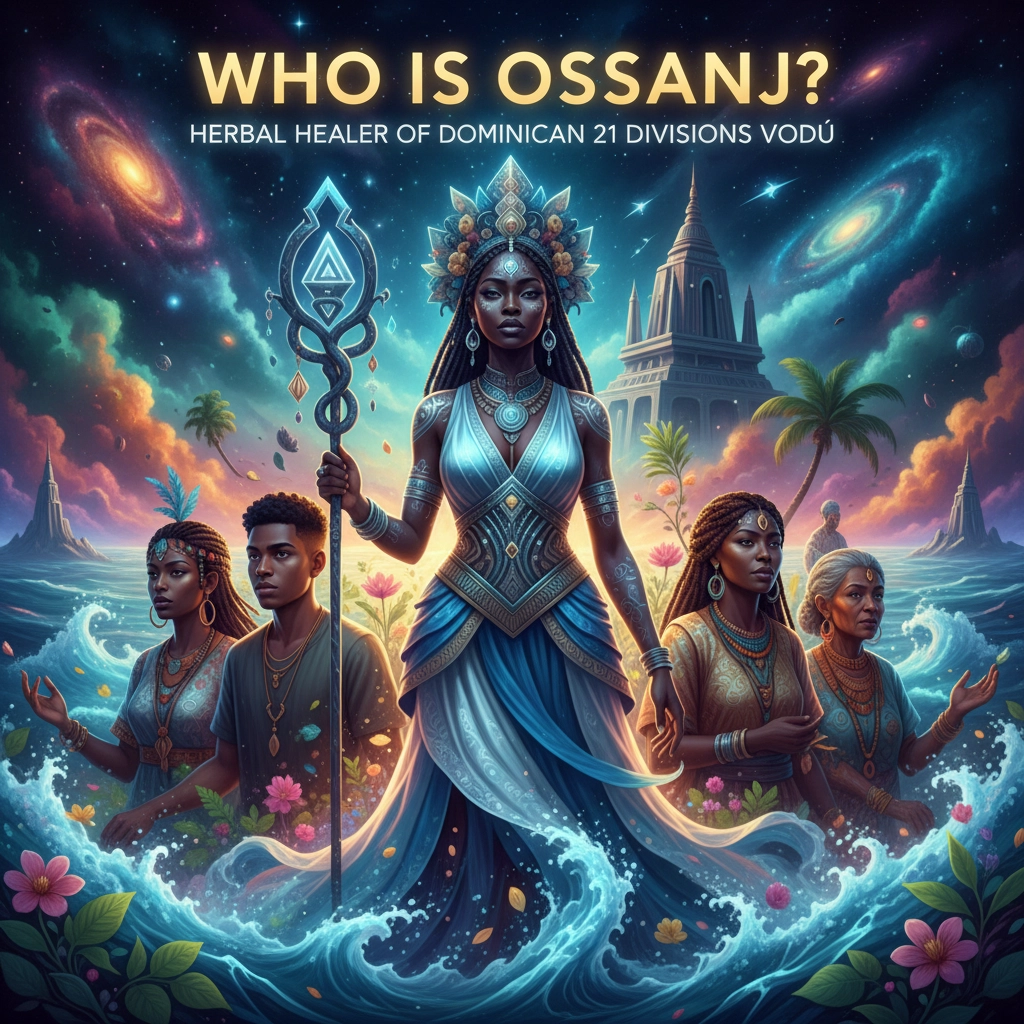
Let me stop you right there before you go down a rabbit hole searching for information about "Ossanj" in Dominican 21 Divisions. Here's the real talk: this name doesn't appear in traditional Dominican Vodú sources or established practitioner lineages. And before you start doubting your research skills, let me tell you why this confusion happens and what you might actually be looking for.
Are you wondering if maybe you misheard something? Got a name twisted in translation? That's completely normal when you're diving into spiritual traditions with rich oral histories and multiple cultural influences. The Dominican 21 Divisions tradition draws from African, Taíno, and European spiritual systems, creating a beautiful but sometimes confusing tapestry of names and attributes.
The Name Game: Why Spiritual Research Gets Tricky
Here's what happens all the time in spiritual communities: names get passed down through generations, sometimes changing slightly with each telling. Regional dialects shift pronunciations. Written sources might use different spellings. One person's "Ossanj" might be another person's reference to a completely different spirit or a misremembered name.
In Dominican Vodú, we work with los Misterios – the mysteries, the spirits who govern different aspects of life and healing. Each has specific attributes, symbols, and ways of working with devotees. But "Ossanj" as a recognized herbal healer in this tradition? That's not showing up in legitimate sources.
What You Might Actually Be Looking For
Could you be thinking of Osain or Osanyin? This is a major orisha in Yoruba tradition who governs herbs, medicine, and natural healing. But here's the thing – while Dominican Vodú has some Yoruba influences, it's not the same tradition, and the spirits don't always transfer directly with the same names or attributes.
Or maybe you heard about San Expedito (Saint Expeditus), who some Dominican practitioners work with for urgent matters including healing? Sometimes spiritual names get jumbled in conversation, especially when people are discussing multiple traditions.
The truth is, in Dominican 21 Divisions, herbal healing work is often associated with different Misterios depending on the specific type of healing needed. Are you looking for information about plant medicine, spiritual cleansing, or physical healing work?
How Herbal Healing Actually Works in Dominican 21 Divisions
Let's get into what you probably came here to learn about – the real herbal healing tradition within Dominican Vodú. This isn't about one specific "Ossanj" figure, but rather a complex system of plant medicine knowledge that works through various Misterios.
In Dominican spiritual practice, herbal knowledge is sacred. Practitioners learn which plants correspond to which spirits, how to prepare them, and when to use them. This isn't casual folk remedy territory – we're talking about serious spiritual medicine that requires proper training and respect.
The healing work often involves:
- Baños (spiritual baths) using specific herb combinations
- Limpias (cleansings) with plant materials
- Sahumerios (smoke cleansings) using dried herbs
- Teas and tinctures for physical and spiritual ailments
The Misterios Who Actually Govern Healing
Instead of searching for "Ossanj," you want to understand which established Misterios handle herbal healing in Dominican tradition:
Papa Legba opens the spiritual pathways and can guide healing work. He's often invoked at the beginning of any serious healing ritual to ensure proper spiritual connection and protection.
The Indigenous Line (Línea India) includes various Caciques and Taíno spirits who carry deep knowledge of native plant medicine. These spirits understand the herbs that grow in Dominican soil and how they've been used for generations.
Mama Agua and water spirits govern cleansing rituals and purification work that often involves herbs prepared in ritual baths.
Red Flags in Your Spiritual Research
Here's some tough love: if someone is telling you about "Ossanj" as a major figure in Dominican 21 Divisions without being able to provide traditional sources or lineage information, be cautious. This could be:
- Mixing up different spiritual traditions
- Sharing incomplete or inaccurate information
- Making things up entirely
Always verify spiritual information through multiple legitimate sources. Your spiritual education is too important to build on shaky foundations.
How to Find Accurate Information
Ready to do this research properly? Here's your action plan:
Connect with established practitioners who have verifiable training in Dominican Vodú tradition. Ask them directly about herbal healing practices and which Misterios they work with.
Study documented sources from respected authors and researchers who specialize in Dominican spiritual practices. Don't rely on random internet posts or social media claims.
Learn the proper names and attributes of established Misterios first before diving into specialized practices like herbal healing.
The Bigger Picture: Respect the Tradition
Look, I get it. You're excited to learn about spiritual healing practices, and that enthusiasm is beautiful. But here's what the spirits need you to understand: accuracy matters in sacred work.
When we use incorrect names or attributes, we're not just making academic mistakes – we're potentially disrupting spiritual connections and showing disrespect to traditions that people have preserved through centuries of struggle.
Dominican Vodú practitioners have maintained their spiritual knowledge through colonization, religious persecution, and cultural suppression. The least we can do is get their spirits' names right.
Your Next Steps
Instead of searching for "Ossanj," redirect that energy toward learning about legitimate Dominican healing practices:
Research the actual Misterios who govern healing in the 21 Divisions system. Study their proper names, attributes, and the ways practitioners work with them safely and respectfully.
If you're called to herbal healing work, seek out proper training from established practitioners who can teach you the traditional methods and safety protocols.
Learn about the plants that are actually used in Dominican spiritual practice, their proper preparation methods, and the spiritual protocols that accompany their use.
The Real Medicine
Here's what I want you to take away from this: the healing power in Dominican spiritual tradition doesn't come from memorizing exotic names or collecting esoteric information. It comes from genuine connection, proper training, and deep respect for the wisdom that's already been preserved.
The Misterios are patient teachers, but they expect students who are serious about learning correctly. They're not impressed by spiritual name-dropping or superficial knowledge. They want to see that you're committed to understanding their actual nature and working with them according to established protocols.
Are you ready to step back from the "Ossanj" search and dive into the real herbal healing tradition of Dominican 21 Divisions? The authentic knowledge is out there, waiting for students who approach it with proper respect and genuine dedication to accuracy.
Stop chasing phantom spirits and start building relationships with the Misterios who are actually documented, established, and ready to work with sincere practitioners. Your spiritual development – and the tradition itself – deserves nothing less than your commitment to getting it right.
The herbs are still there. The healing knowledge is still alive. The Misterios are still present and ready to teach. But they're going to require that you learn their real names first.
