

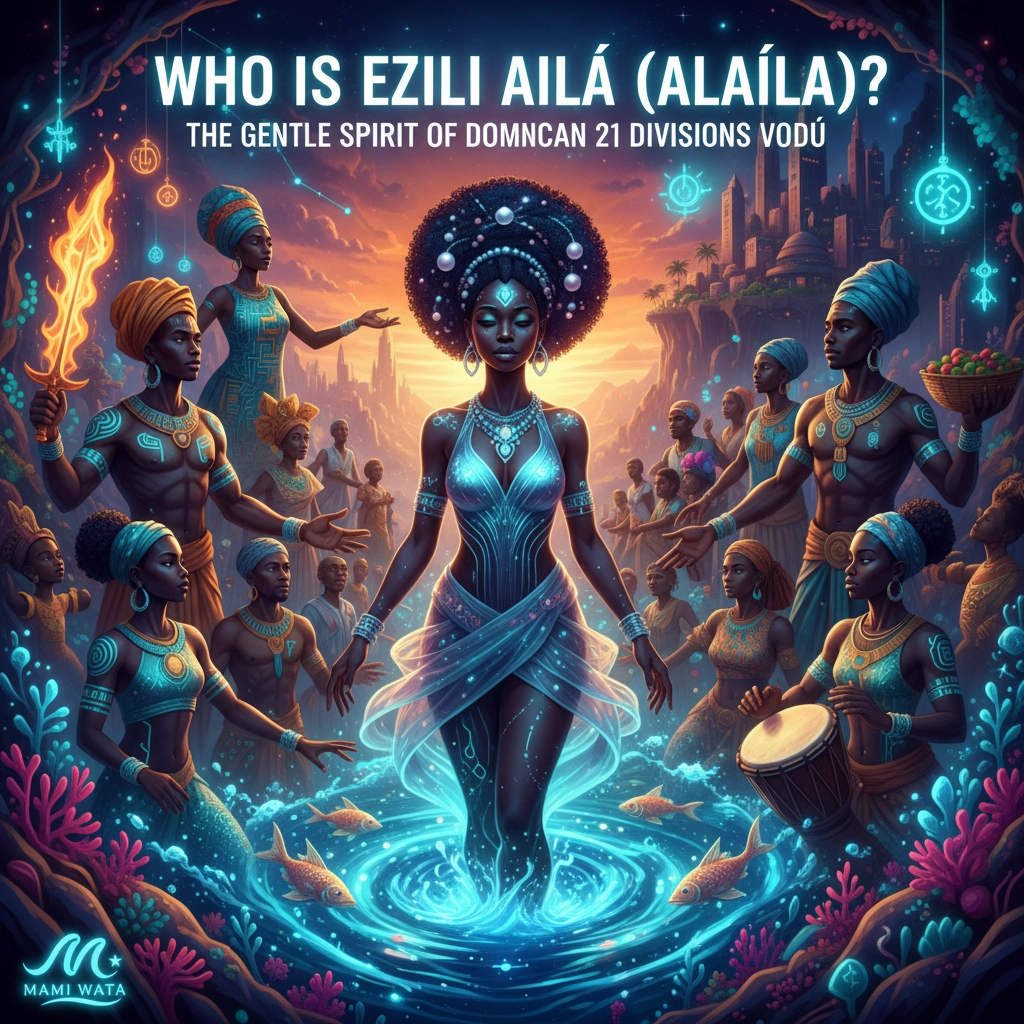
Ever heard whispers about Ezili Ailá and wondered who she really is? You're not alone. This beautiful spirit from Dominican 21 Divisions Vodú remains one of the more mysterious figures in Caribbean spirituality, and honestly? That mystery might be part of her charm.
Let me be real with you from the start – comprehensive information about Ezili Ailá specifically is scarce. But what we do know paints a picture of a spirit deeply connected to maternal love, protection, and the unique spiritual landscape of the Dominican Republic. Are you ready to explore what makes this spirit special in the world of Las 21 Divisiones?
Understanding Dominican 21 Divisions
Before we dive into Ezili Ailá herself, you need to understand the spiritual system she calls home. Dominican Vodú, known as Las 21 Divisiones (The 21 Divisions), isn't just Haitian Vodou with a Dominican twist – it's its own beautiful, complex tradition that evolved in the former Spanish colony of Santo Domingo.
Think of it this way: while Haitian Vodou developed under French colonial rule, Dominican Vodú grew up speaking Spanish and walking into Catholic churches every Sunday. This created a heavily Catholicized syncretic religion that's distinctly Dominican, even though it shares African-Caribbean roots with its Haitian cousin.
Just like in Haitian Vodou, practitioners of Las 21 Divisiones work with Lwa – spirits who represent major forces of the universe. These spirits can "mount" or possess practitioners during ceremonies, creating a direct bridge between the spiritual and physical worlds. But here's where it gets interesting: the way these spirits manifest and are honored in Dominican practice often differs from their Haitian counterparts.
The Sacred Synchronization
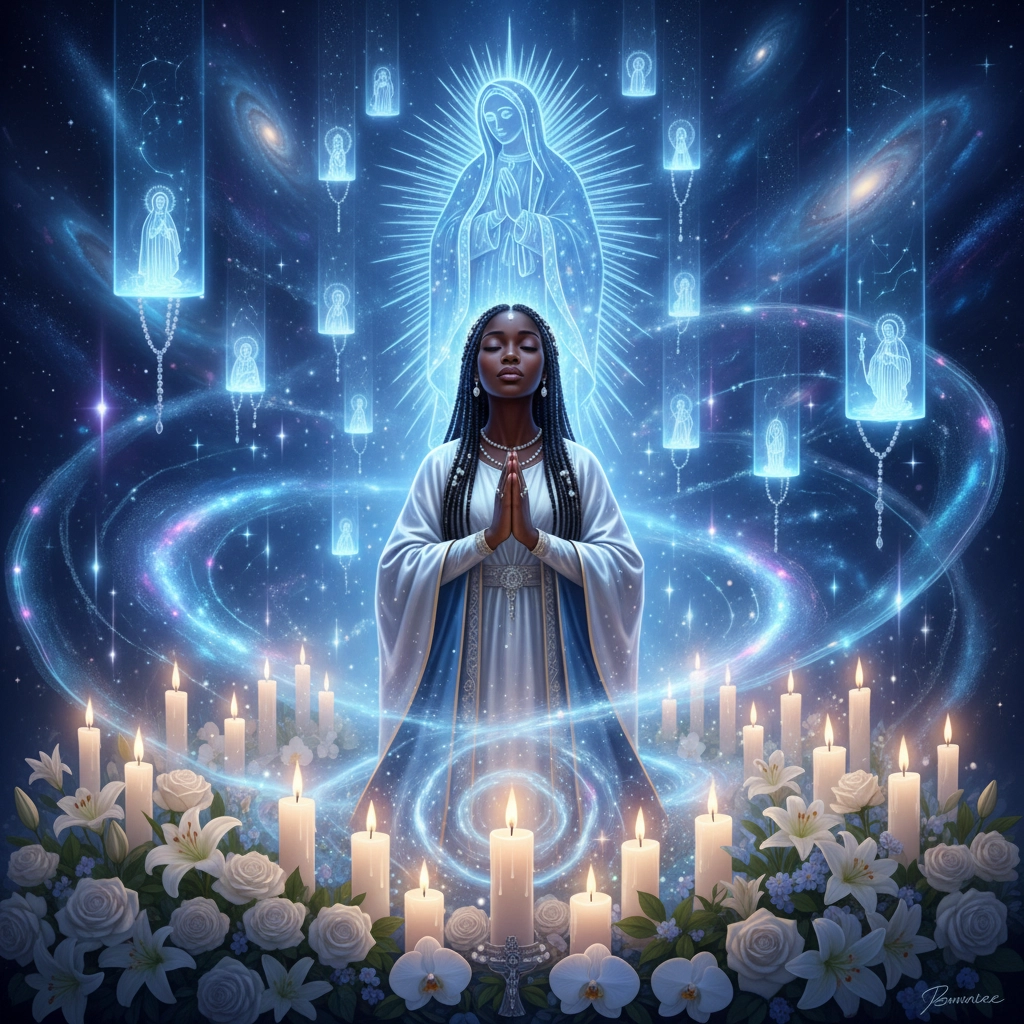
Here's what we know for certain about Ezili Ailá: she's synchronized with Our Lady of Altagrace, the beloved patron saint of the Dominican Republic. This isn't just a casual connection – it's a profound spiritual marriage that tells us everything about how Dominican practitioners understand this spirit.
Our Lady of Altagrace represents protection, maternal love, and national identity for Dominicans. She's the mother who watches over the entire country, the one they turn to in times of need. When you understand that Ezili Ailá shares this sacred space, you begin to grasp her importance.
The synchronization also connects her to Ezili Dantor from Haitian Vodou – the fierce maternal protector of the Petro family. But don't make the mistake of thinking they're identical. Ezili Ailá has her own Dominican flavor, her own way of moving through the world.
Are you starting to see the pattern? This isn't just about love and romance like some other Ezili spirits. This is about protection, fierce maternal energy, and the kind of love that would move mountains for her children.
The Ezili Family Connection
To truly understand Ezili Ailá, you need to know about the broader Ezili family. These spirits represent femininity in all its forms – love, sexuality, prosperity, maternity, and yes, sometimes jealousy and heartbreak too. They're not one-dimensional "love goddesses" – they're complex, powerful forces that mirror real women's experiences.
In Haitian tradition, you've got Ezili Freda, the spirit of luxury and refined love, and Ezili Dantor, the protective mother who'd fight armies for her children. Each Ezili brings different aspects of feminine power and wisdom.
Ezili Ailá likely carries some of these maternal, protective qualities, filtered through Dominican culture and Catholic imagery. She's not just a carbon copy of her Haitian relatives – she's got her own personality, her own preferences, her own way of working with her devotees.
What We Can Infer About Her Nature
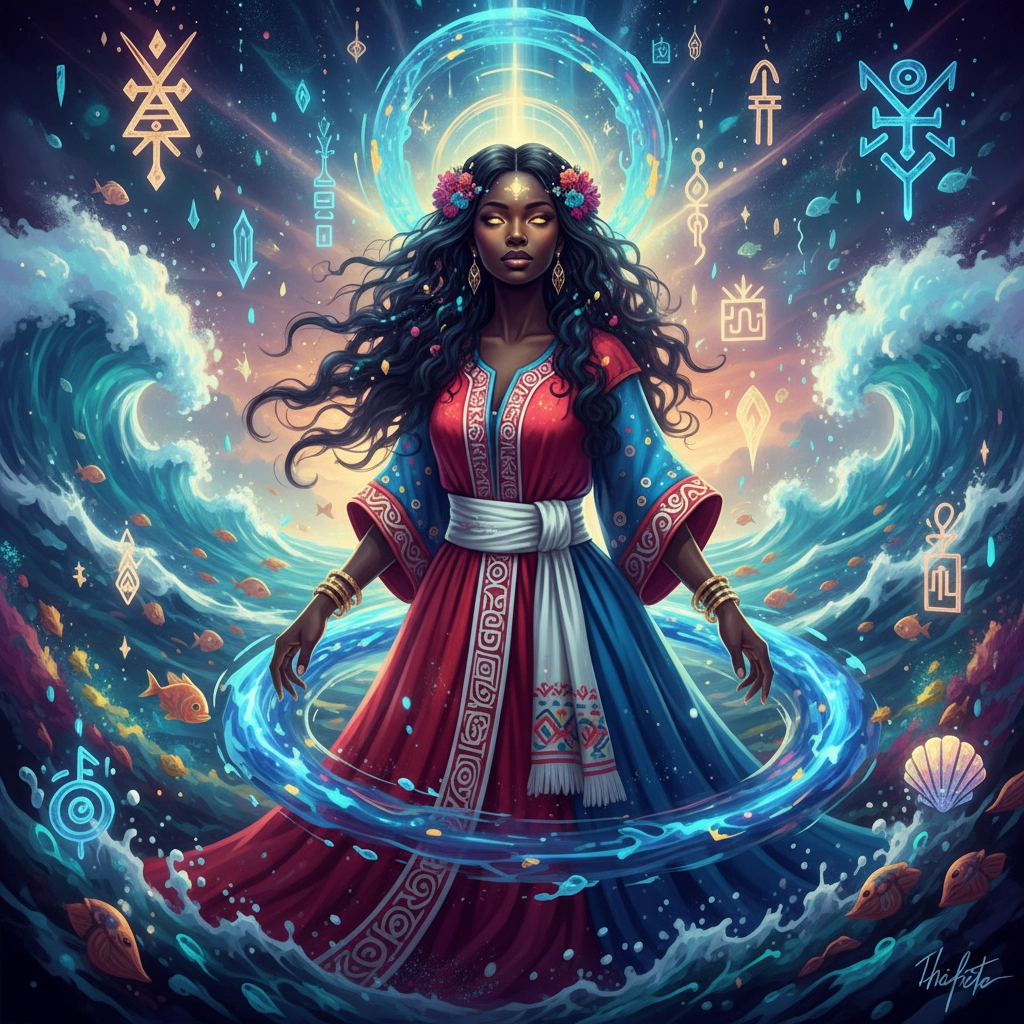
Given her connections and synchronizations, what can we reasonably say about Ezili Ailá's spiritual essence? Well, she's likely a spirit of profound maternal love – the kind that's gentle until you threaten her children, then watch out.
She probably works with matters of protection, especially for families and children. Her connection to Our Lady of Altagrace suggests she might be called upon for national or community protection, not just personal matters.
And here's something beautiful: in Dominican culture, spirituality isn't separated from daily life the way it sometimes is in other traditions. Ezili Ailá likely walks with her devotees through everyday struggles, celebrating small victories and offering comfort during tough times.
Are you someone who's always putting others first, maybe to your own detriment? Ezili Ailá might understand that struggle intimately. Are you trying to protect your family or community but feeling overwhelmed? She gets it.
The Catholic Influence
Let's talk about something that makes Dominican Vodú unique: that deep Catholic influence. It's not just surface-level syncretism where African spirits wear Catholic masks. The Catholic elements are woven into the fabric of the tradition.
When Ezili Ailá is honored through Our Lady of Altagrace, it's not pretend Christianity – it's genuine devotion that encompasses both Catholic and African spiritual elements. Devotees might light candles at Catholic altars, pray Catholic prayers, and attend Catholic masses, all while maintaining their connection to Lwa.
This creates a spiritual practice that's beautifully complex. You might find yourself saying Hail Marys while also preparing traditional offerings, attending morning mass before an evening Vodú ceremony.
Does this sound confusing? It's actually incredibly practical. Dominican practitioners found ways to honor their ancestors and spirits while navigating a colonial system that tried to erase their traditions. They didn't just survive – they created something new and powerful.
Traditional Devotional Practices
While specific information about Ezili Ailá's preferred offerings and devotional practices is limited, we can look at patterns from related spirits and Dominican spiritual traditions in general.
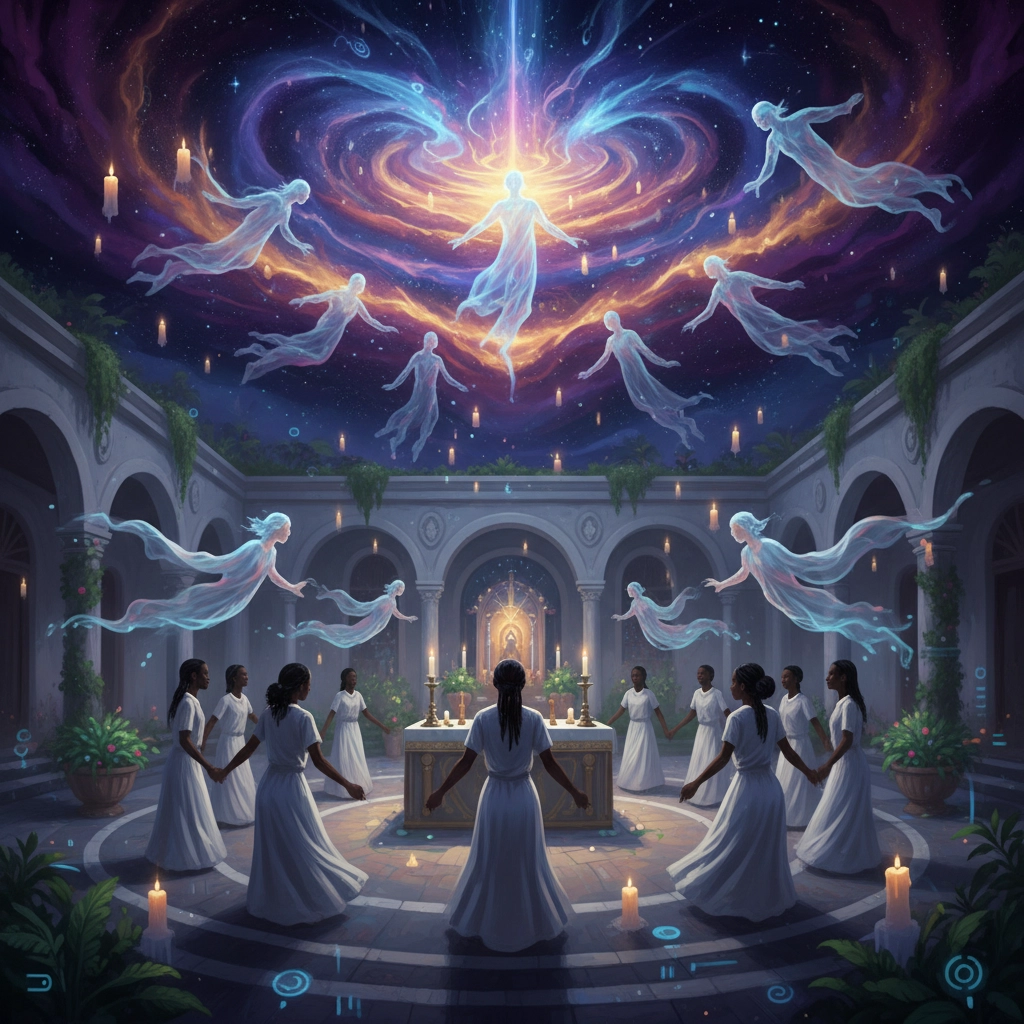
Dominican Vodú ceremonies often involve music, dancing, drumming, and the preparation of altars with specific colors, flowers, perfumes, and foods. Given Ezili Ailá's maternal nature, she might appreciate offerings that reflect nurturing and protection – perhaps white flowers, sweet foods, or items associated with children and family.
Her connection to Our Lady of Altagrace suggests that devotional practices might blend Catholic elements like candles, prayers, and holy images with traditional African elements like specific herbs, rhythms, and ancestral invocations.
But here's what's important: if you're called to work with Ezili Ailá, don't just wing it. Connect with legitimate Dominican Vodú practitioners who can guide you properly. Respect the tradition and learn from those who've walked this path before you.
The Mystery as Part of the Magic
Here's something I want you to consider: maybe the scarcity of detailed information about Ezili Ailá isn't a problem – maybe it's part of her nature. Some spirits prefer to work quietly, to build relationships slowly and carefully.
In a world where everything spiritual gets commodified and oversimplified for social media, perhaps Ezili Ailá represents something different. Maybe she's the spirit for people who are tired of flashy, performative spirituality and want something deeper, more private, more real.
Are you someone who's been burned by spiritual communities that felt superficial? Someone looking for authentic connection rather than Instagram-worthy rituals? Ezili Ailá might be calling to those who understand that real spiritual work often happens in the quiet moments, away from the spotlight.
Connecting with Respect
If you feel drawn to Ezili Ailá, approach with respect and humility. Don't try to force a connection or make assumptions about what she wants from you. Start with simple, sincere offerings – a white candle, a glass of clean water, genuine prayers for guidance.
Pay attention to your dreams, synchronicities, and intuitive hits. But also remember that working with spirits from traditions outside your heritage requires extra care and respect. Consider it an honor if she chooses to work with you, not an entitlement.
And please, please do your homework. Learn about Dominican culture, history, and spiritual practices. Understand the context that shaped this tradition. Support Dominican practitioners and communities when possible.
The spirits aren't here for our entertainment or to make us feel special. They're here to do real work – healing, protecting, guiding, and sometimes challenging us to grow in ways we never expected.
Ezili Ailá may be mysterious, but her essence shines through clearly: maternal love, fierce protection, and the kind of strength that comes from understanding both gentleness and power. In a world that often demands women choose between being soft or strong, she shows us another way – the path of the protective mother who nurtures with one hand and defends with the other.
Ready to approach this beautiful spirit with the reverence she deserves? Start simple, stay respectful, and let the relationship develop naturally. Real spiritual connections can't be rushed, and the best ones are worth waiting for.
