

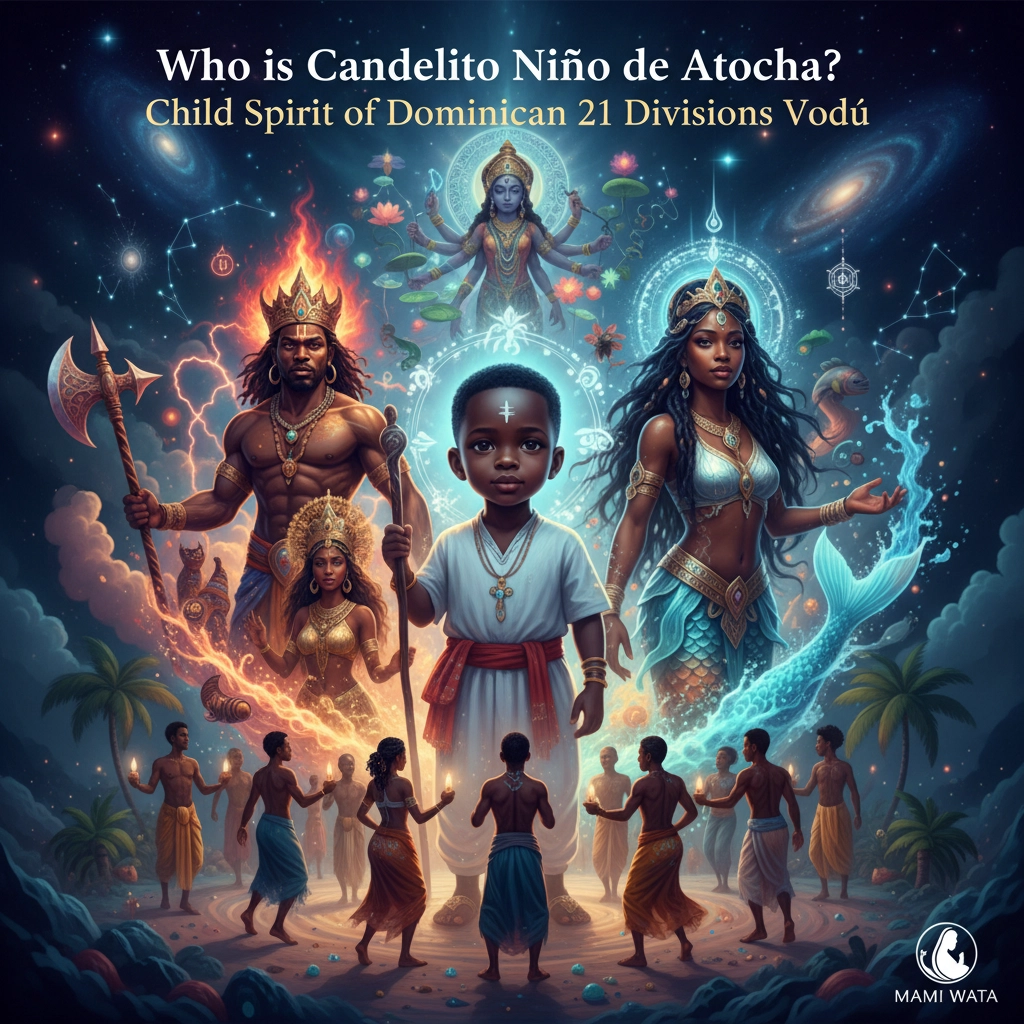
Ever wondered about the mysterious child spirits that dance through Dominican spiritual practices? You're about to dive into one of the most fascinating aspects of Las 21 Divisiones: the world of child misterios who bridge the Catholic and African spiritual realms.
Here's the thing about researching specific spirits in Dominican Vodú: sometimes the most honest answer is acknowledging what we don't fully know. While "Candelito Niño de Atocha" appears in spiritual discussions, documented information about this specific manifestation as a distinct division within the 21 Divisions system remains limited in traditional sources.
But don't let that discourage you. Understanding the broader context of child spirits and Catholic syncretism in Dominican practice will give you the foundation you need to navigate this spiritual landscape with respect and authenticity.
The Santo Niño de Atocha Foundation
Let's start with what we do know. Santo Niño de Atocha represents one of the most beloved Catholic devotions in Latin American spirituality. This isn't just any saint: this is infant Jesus depicted as a young pilgrim, complete with a wide-brimmed hat, cape, staff, and that iconic basket of bread.
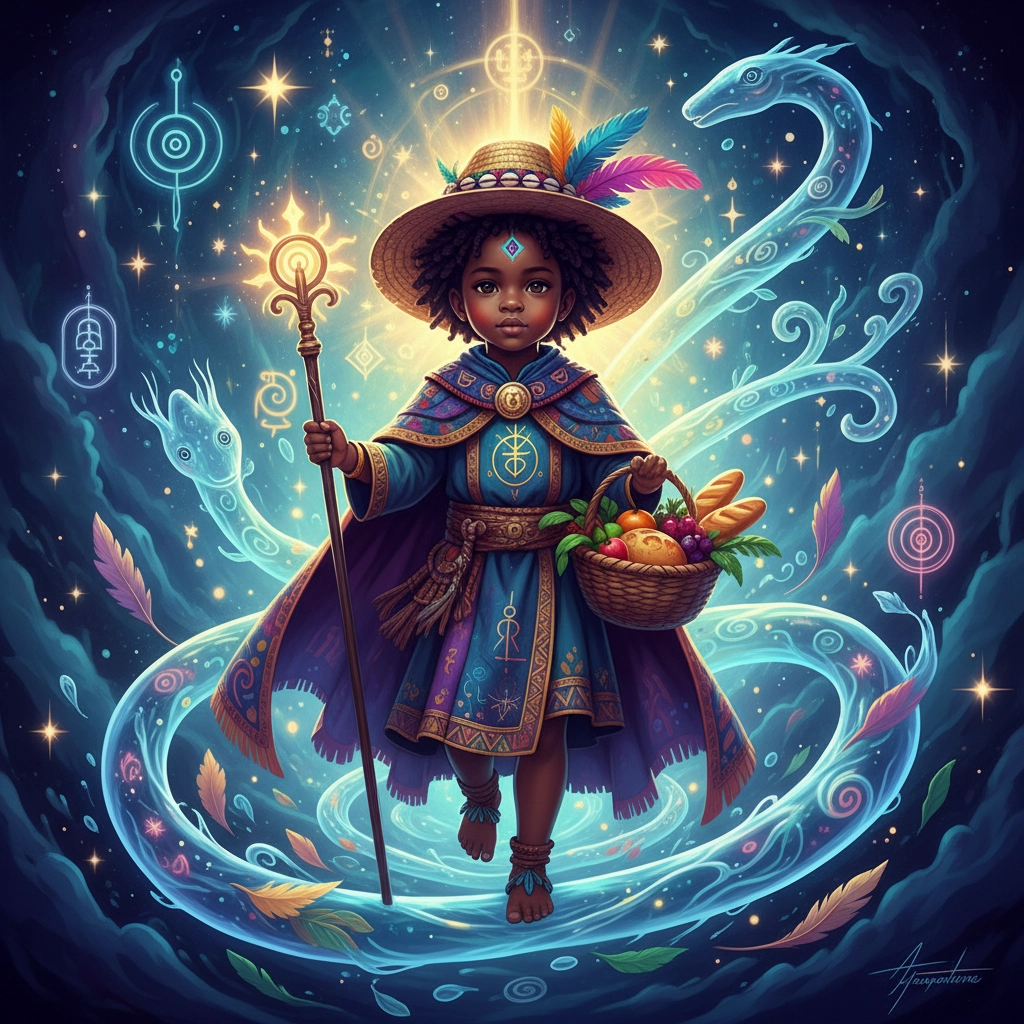
The legend hits different when you understand the context. During the Muslim occupation of Spain, Christian prisoners were dying of hunger and thirst in jail. Only children were allowed to bring them food and water. Then this mysterious child appeared, visiting prisoners with his never-emptying basket and water gourd. His sandals were always worn and dusty from his travels to help those in need.
Are you feeling that energy? This is a child spirit who shows up for people when they're trapped, when they're suffering, when conventional help isn't coming. That's powerful spiritual medicine right there.
Dominican 21 Divisions: Where Catholicism Meets African Wisdom
Here's where things get really interesting. Dominican Vodú: Las 21 Divisiones: operates on a completely different frequency than what most people expect from Afro-Caribbean spirituality.
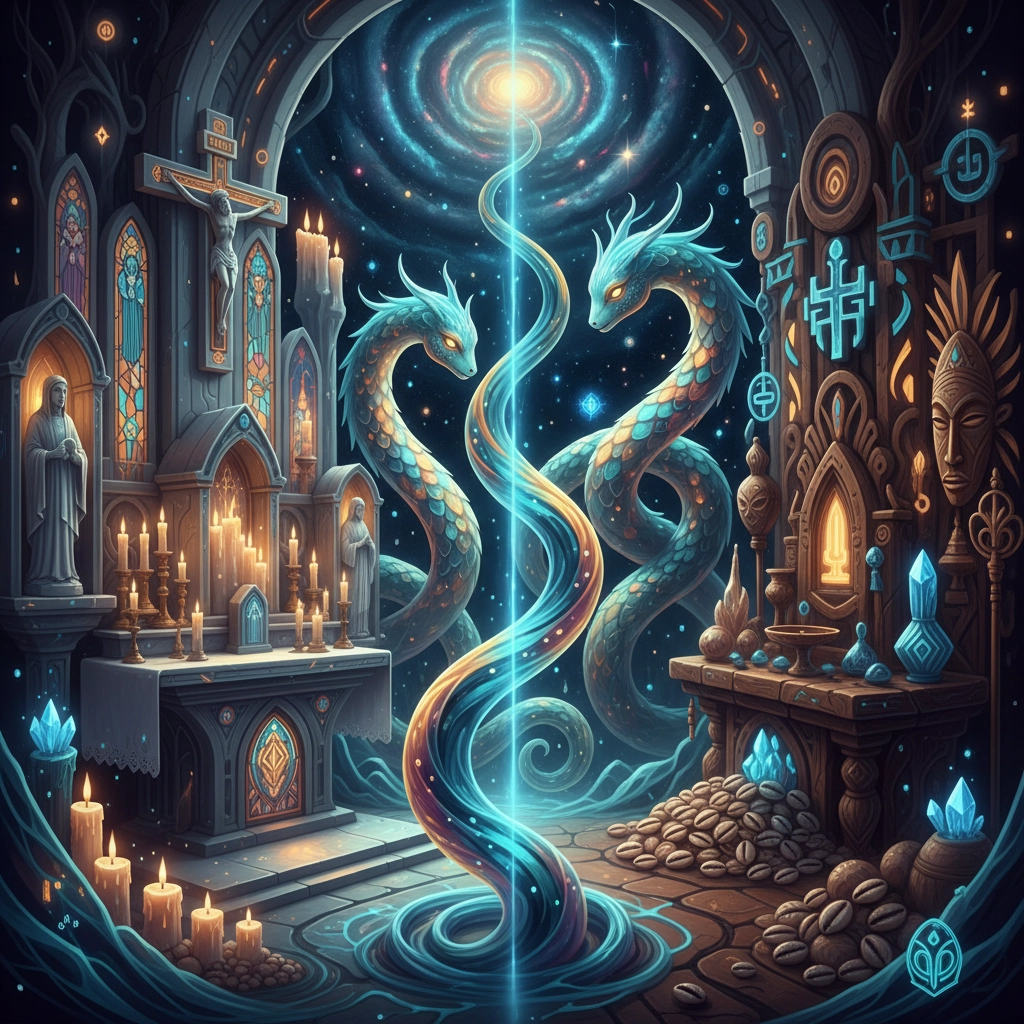
Unlike Haitian Vodou with its structured temples and defined practices, Dominican Vodú is beautifully fluid and adaptable. The spirits (Los Misterios or Loas) are organized into twenty-one groups across three major divisions: White, Black, and Indian. But here's the kicker: practitioners often maintain full Catholic altars right alongside their work with African spirits.
This isn't religious confusion. This is spiritual genius. Dominican practitioners understand something profound: the same divine energy can manifest through different cultural expressions. Catholic saints become doorways to understanding Loa energies, and African spirits find expression through familiar Catholic imagery.
Child Spirits in Dominican Practice
Ready to understand something that might surprise you? Child spirits hold incredible power in Afro-Caribbean traditions. They're not "lesser" or "beginner" spirits: they're pure, direct conduits of divine energy who haven't been corrupted by adult complications.
In Dominican spiritual practice, child spirits often serve as:
- Messengers carrying prayers and requests to higher spiritual authorities
- Healers with access to innocent, uncomplicated healing energy
- Protectors who fiercely defend those under their care
- Bridge builders connecting practitioners with more complex spiritual forces
Think about it: children see clearly what adults miss. They're not weighed down by cynicism, fear, or complicated agendas. When a child spirit shows up in your spiritual practice, pay attention. They're bringing you exactly what you need without the adult tendency to overcomplicate things.
The Syncretic Dance of Devotion
Now here's where your spiritual education gets real: syncretism in Dominican Vodú isn't about replacing one tradition with another. It's about recognition and respect for multiple pathways to the same divine source.
When a practitioner honors Santo Niño de Atocha, they might simultaneously be working with:
- The energy of divine child innocence
- Protection and provision during difficult times
- The power of miraculous intervention
- Connection to ancestors who worked through Catholic imagery
Are you starting to see how this works? It's not about choosing sides: it's about understanding that spiritual truth can wear different cultural clothing while maintaining its essential power.
Offerings and Devotional Practices
While specific traditional practices for "Candelito Niño de Atocha" as a distinct 21 Divisions spirit aren't well-documented, we can understand devotional approaches based on broader patterns in Dominican practice.
Traditional offerings to child spirits often include:
- Toys and sweets that appeal to childlike joy
- Small breads or crackers honoring the provision aspect
- Clean water representing purity and life
- Small candles (often white or light blue) for illumination
- Fresh flowers expressing beauty and reverence
The key here is intention and respect. Child spirits respond to genuine love, not elaborate displays. They want to know you see them as powerful beings worthy of respect, not just cute spiritual accessories.
Respecting Spiritual Boundaries
Listen up, because this is crucial: approaching any spirit in the 21 Divisions system requires proper respect and understanding. You can't just decide to work with a spirit because it sounds interesting or fits your aesthetic.
Dominican Vodú operates within specific cultural and spiritual parameters. If you're drawn to child spirit work:
- Learn about the broader tradition first
- Seek guidance from experienced practitioners
- Understand your own spiritual genealogy and calling
- Approach with humility, not entitlement
Stop thinking you can download spiritual power like a TikTok trend. These are sacred relationships that require commitment, respect, and proper initiation.
The Power of Not Knowing
Here's something your spiritual ego might not want to hear: acknowledging what we don't know is actually a form of spiritual maturity. The fact that specific information about "Candelito Niño de Atocha" as a distinct 21 Divisions entity isn't widely documented doesn't diminish its potential spiritual significance.
It reminds us that:
- Not all spiritual knowledge is meant for public consumption
- Some wisdom belongs specifically to initiated practitioners
- Oral traditions hold information books don't contain
- Mystery itself is a sacred spiritual principle
Are you uncomfortable with not having all the answers? Good. That discomfort is teaching you something important about approaching spiritual traditions with proper humility.
Finding Your Path Forward
So where does this leave you if you're genuinely called to explore child spirit work in Dominican tradition?
Start with respect. Learn about Las 21 Divisiones as a complete system, not just individual spirits that catch your attention.
Seek proper guidance. Find experienced practitioners who can share wisdom within appropriate cultural contexts.
Develop discernment. Not every spiritual curiosity is a calling. Some interest is just spiritual window shopping.
Honor the ancestors. These traditions carry the wisdom and sacrifice of generations. Approach them with the reverence they deserve.
The child spirits of Dominican Vodú aren't waiting for you to figure them out. They're waiting for you to show up with proper respect, genuine need, and willingness to learn their ways, not force them into yours.
Whether "Candelito Niño de Atocha" emerges as a distinct spiritual force in your practice depends on your authentic spiritual relationship with Dominican tradition: not your ability to research spirits online.
Ready to approach this path with the respect it deserves? The child spirits are watching, and they can tell the difference between spiritual tourists and genuine seekers every single time.
