

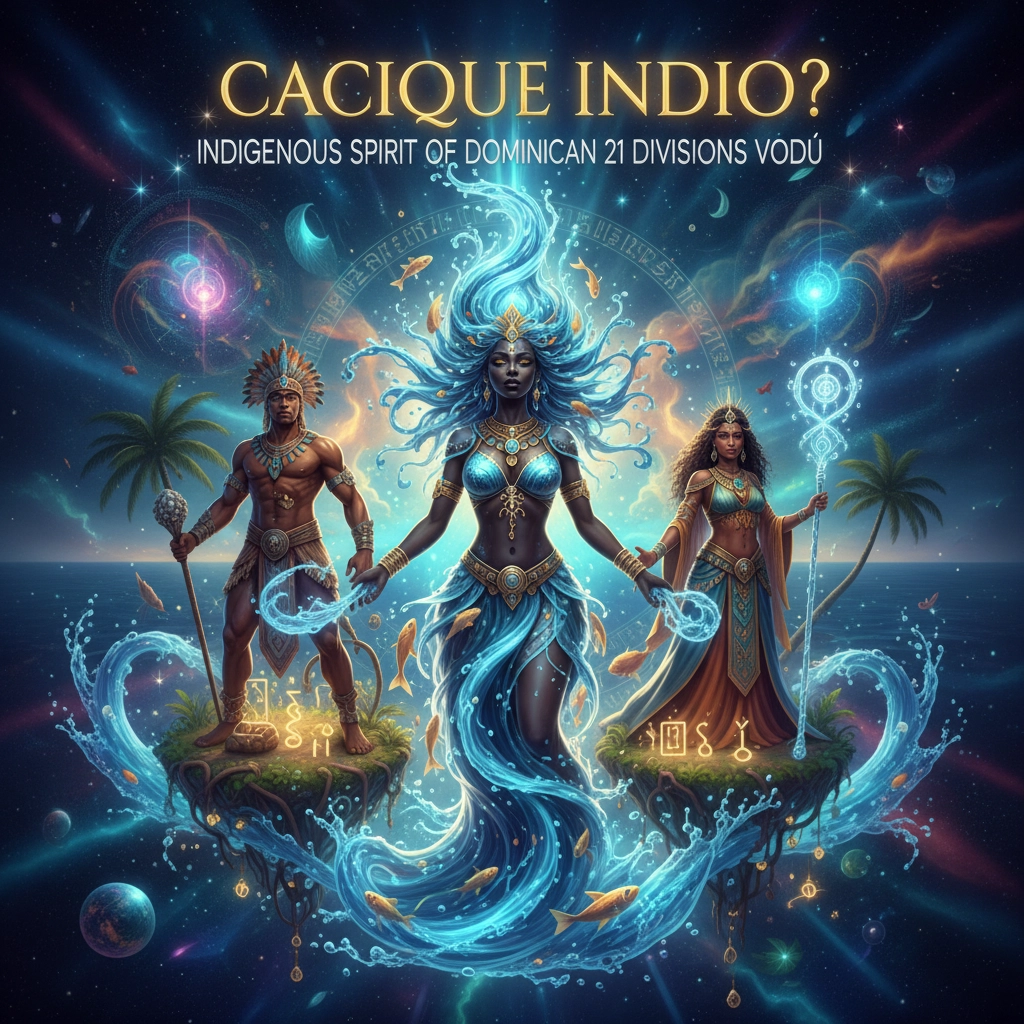
Ever wondered about the indigenous roots that run deep through Dominican Vodú? You're not alone. When people ask about "Cacique Indio" in the 21 Divisions system, they're touching on something profound – the ancestral spirits of the Taíno people who first called this island home.
Here's the thing: while you won't find a spirit specifically named "Cacique Indio" in traditional Dominican 21 Divisions texts, you're absolutely on the right track. What you're sensing is the powerful presence of indigenous spirits within the División India, also known as Division Indios or Division Agua Dulce (Sweet Water Division).
Meet the Chief: Cacique Samaó (Gamaó)
The División India isn't just any division – it's actually the largest division within the entire 21 Divisions system. And who's running the show? Cacique Samaó (sometimes called Gamaó), a Root Lwa who serves as the chief of this indigenous spiritual court.
Think about it: the title "cacique" itself tells the whole story. These were the Taíno chiefs who ruled Hispaniola before Columbus ever set foot on these shores. When practitioners speak of "Cacique Indio," they're often referring to these ancestral leaders who continue to guide and protect from the spiritual realm.
Are you feeling that connection to the land beneath your feet? That's exactly what these spirits represent – the original spiritual guardians of this island.
The Sweet Water Connection
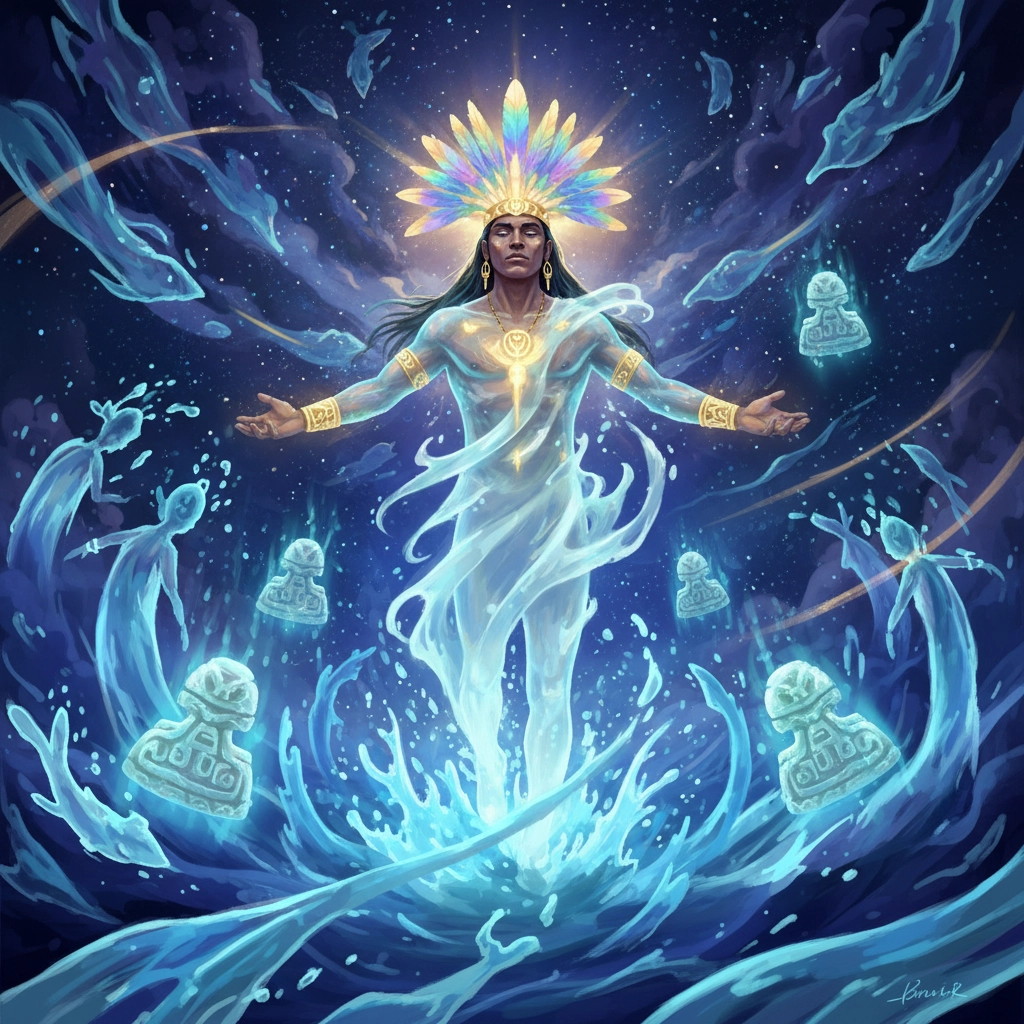
The División India is also called Division Agua Dulce (Sweet Water Division) for good reason. Indigenous spirits have always been intimately connected to the natural world – rivers, mountains, forests, and the sacred cenotes where the Taíno performed their rituals.
Ready to understand something beautiful? These spirits bridge the gap between the earth's natural power and human spiritual needs. When you work with the indigenous division, you're tapping into millennia of spiritual wisdom that predates colonization.
What Cacique Indio Represents
Stop thinking small about indigenous spirits. These aren't just historical figures – they're active spiritual forces representing:
Ancestral Wisdom: The accumulated knowledge of generations who lived in harmony with the land
Natural Protection: Guardianship over the island's natural resources and sacred spaces
Cultural Preservation: Maintaining the memory and power of pre-colonial spiritual practices
Healing Traditions: Ancient botanical and spiritual healing methods
Territorial Sovereignty: Spiritual authority over the original homeland
The indigenous spirits embody the fierce protection of homeland and the gentle wisdom of living in balance with nature. Sound like something you need in your life?
The Syncretic Journey
Here's where it gets interesting: Dominican Vodú developed as a heavily Catholicized syncretic religion when enslaved Africans were forced to hide their spiritual practices under Catholic customs. But the indigenous Taíno spirits found their way into this system too, creating a beautiful three-way spiritual fusion.
You're witnessing something remarkable – African Lwa, Catholic saints, and Taíno cemí spirits all working together in one coherent system. The indigenous spirits didn't disappear with colonization; they adapted and survived within the 21 Divisions framework.
This isn't cultural appropriation – it's cultural survival. The spirits themselves chose to work together rather than be lost to history.
Working with Indigenous Division Spirits
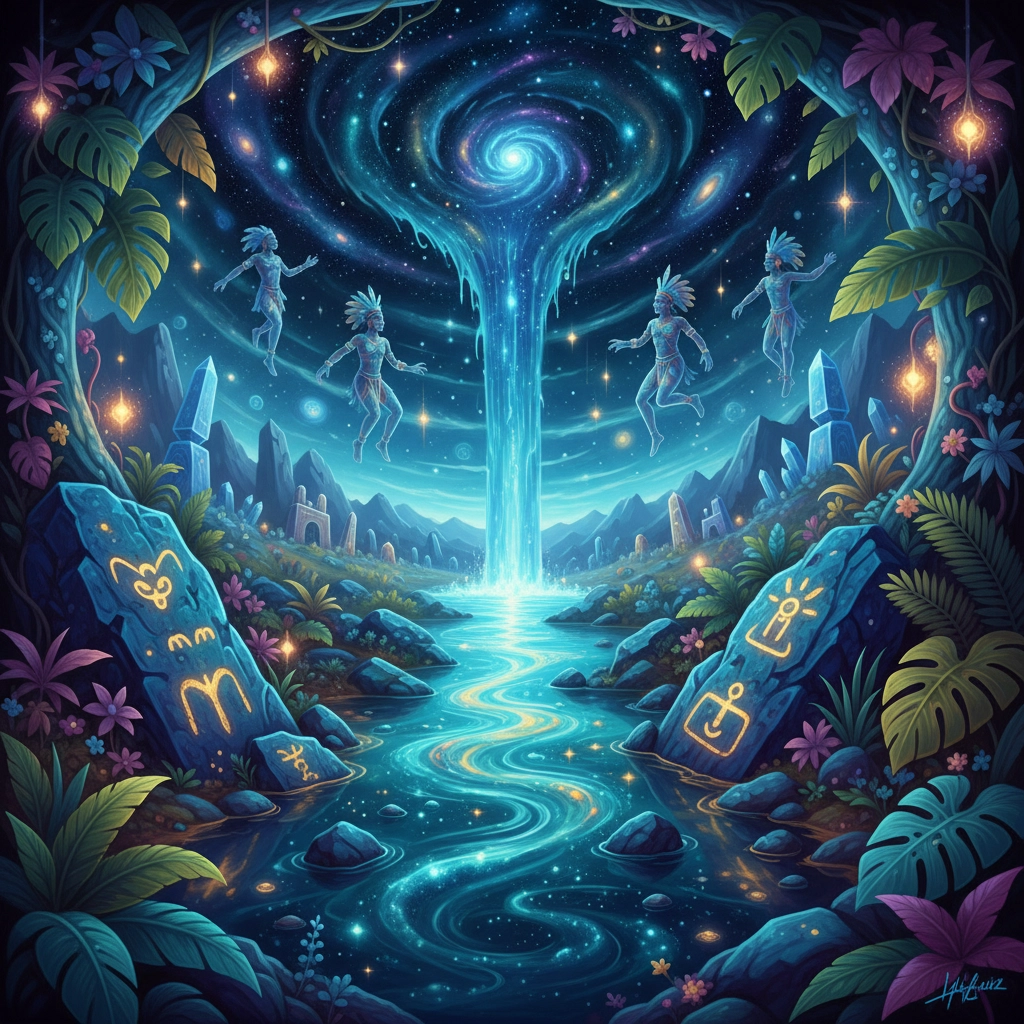
Wondering how to honor these ancestral forces? The indigenous spirits of the División India have their own preferences and protocols:
Natural Offerings: Fresh water (especially from natural sources), tobacco, honey, fruits native to the Caribbean, and flowers from indigenous plants
Sacred Spaces: They prefer outdoor altars or spaces near natural water sources, trees, or areas with historical Taíno significance
Colors: Earth tones, greens, and blues that reflect the natural world they protect
Approach: These spirits respond to respectful acknowledgment of the land's original inhabitants and genuine concern for environmental protection
Are you ready to step up your spiritual practice with some serious ancestral backing?
The Cemí Connection
In Puerto Rican Sanse (which shares DNA with Dominican 21 Divisions), indigenous spirits include ancient Taíno Cemí spirits of nature, Cacique Chiefs, and Bohique Shamans. This gives us insight into what "Cacique Indio" might encompass:
Cemí Spirits: Nature deities governing specific natural phenomena
Cacique Spirits: Ancestral chiefs providing leadership and protection
Bohique Spirits: Shamanic healers offering traditional medicine and spiritual guidance
Each carries different energy and serves different spiritual needs. Which one are you being called to work with?
Modern Relevance
Stop thinking these are just "historical" spirits. The División India remains incredibly relevant today because:
Environmental Crisis: Indigenous spirits are fierce protectors of natural resources
Cultural Identity: They help Caribbean people reconnect with pre-colonial roots
Healing Practices: Traditional plant medicine and energy healing methods
Land Connection: Grounding urban practitioners to the earth's natural rhythms
Ready to tap into spiritual technology that's been field-tested for centuries?
Respectful Practice Guidelines
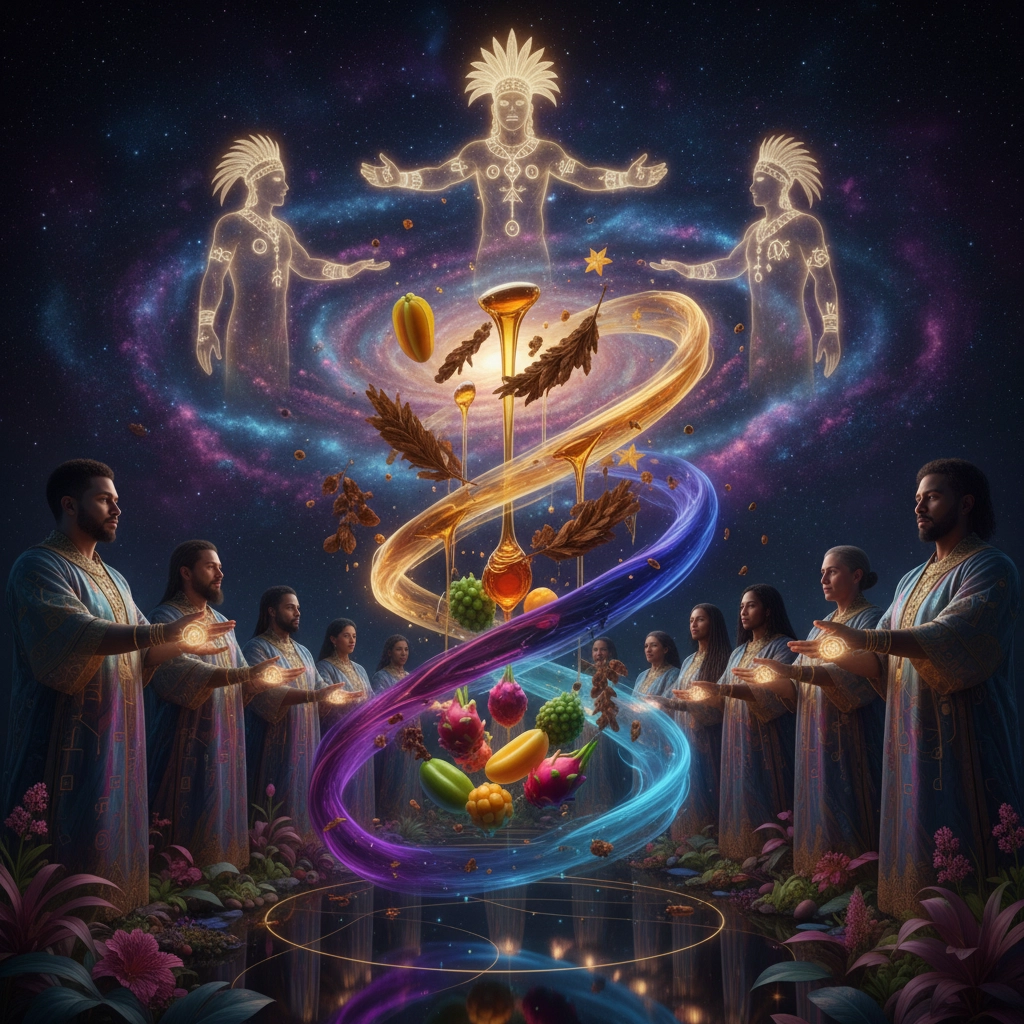
Here's your reality check: working with indigenous spirits requires serious respect. These aren't TikTok trends or aesthetic choices. Follow these non-negotiables:
Learn the History: Understand Taíno culture and the impact of colonization
Honor the Land: Practice environmental stewardship and support indigenous rights
Avoid Appropriation: Don't claim indigenous identity or sacred items you're not entitled to
Work Through Proper Channels: Connect with legitimate 21 Divisions practitioners
Give Back: Support contemporary indigenous communities and causes
The spirits can tell the difference between genuine respect and spiritual tourism. Which category do you want to be in?
The Bigger Picture
The División India reminds us that Dominican 21 Divisions isn't just African spiritual practice with Catholic overlay – it's a truly multicultural spiritual system that honors all the spiritual traditions that survived colonization.
When you work with "Cacique Indio" or the indigenous spirits of the División India, you're participating in something beautiful: spiritual resistance, cultural preservation, and the ongoing power of ancestral wisdom.
Are you ready to honor the original spiritual guardians of this land? The caciques are still here, still protecting, still guiding those who approach with genuine respect and open hearts.
The Division Agua Dulce flows with the sweet water of ancestral wisdom. Time to drink deeply and claim your connection to the spirits who've been holding down this island since day one.
Your spiritual practice just got a major upgrade. The question is: are you ready to step up to meet these ancient allies?
