

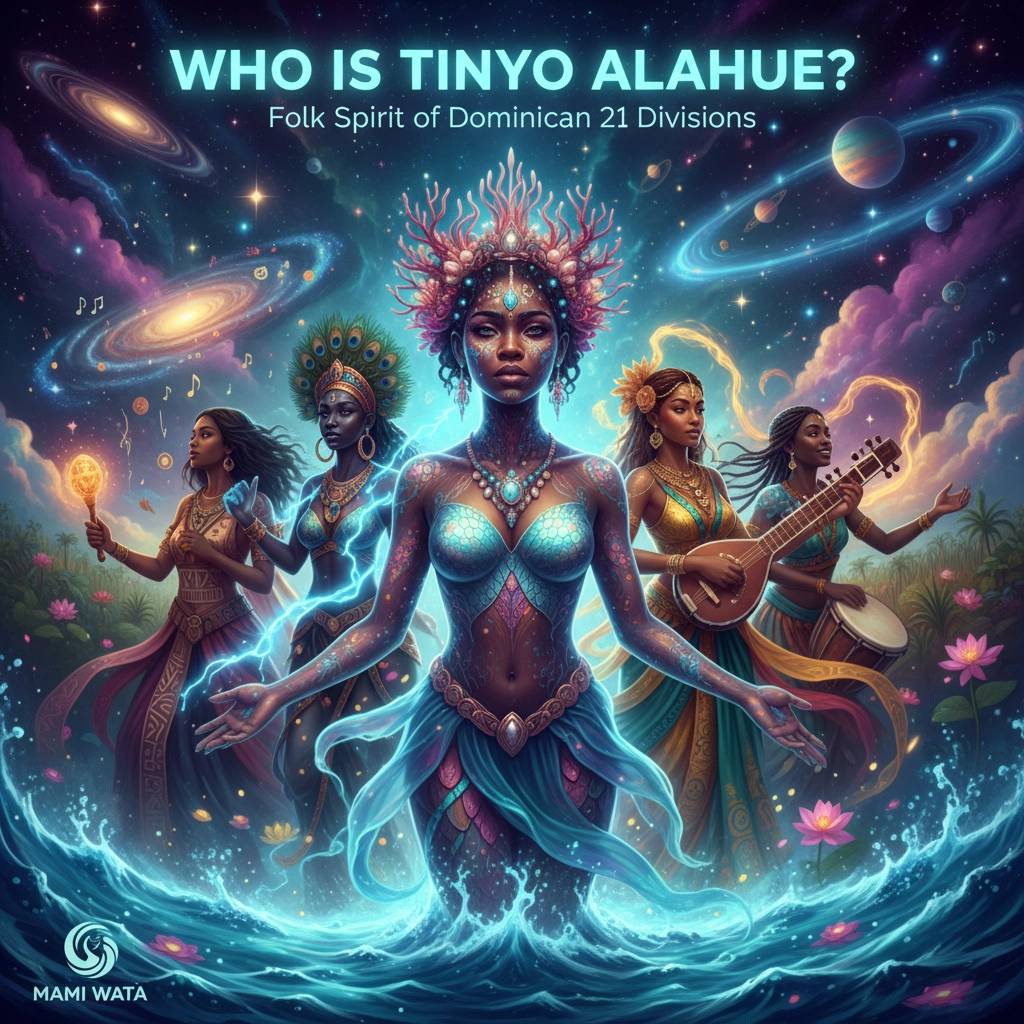
Look, I'm going to be completely honest with you from the jump – when it comes to Tinyo Alahue specifically, the documented information is surprisingly scarce. And before you roll your eyes thinking this is another case of "mysterious spirits that nobody talks about," let me explain why this actually matters more than you might think.
The Reality of Folk Spirit Documentation
Here's something nobody wants to admit: not every spirit in the 21 Divisions tradition has made it into the books, websites, or even the conversations that happen outside of tight-knit spiritual communities. Some spirits live in the realm of family traditions, passed down through whispered conversations and personal experiences rather than academic papers or popular spiritual blogs.
Are you frustrated that you can't just Google every spiritual entity and get a Wikipedia page? I get it. But this is actually where the real spiritual work begins – when you have to dig deeper, ask better questions, and connect with living tradition keepers instead of relying on internet searches.

Understanding Dominican 21 Divisions Context
Before we dive into what this means for your spiritual journey, let's establish some ground rules about Las 21 Divisiones (the 21 Divisions). This Dominican spiritual tradition is a rich tapestry that weaves together Taíno indigenous beliefs, African spiritual systems, and European Catholic influences. Unlike its more documented cousins – Haitian Vodou or Cuban Santería – Dominican Vudú often operates in smaller, more intimate circles.
The 21 Divisions isn't just a spiritual practice; it's a living, breathing tradition that adapts and evolves with each generation. This means that some spirits, some mysteries, some folk figures emerge from specific communities, specific families, or specific regional practices that haven't been widely documented by researchers or spiritual writers.
Why Some Spirits Remain in the Shadows
Ready for some real talk? Not every spiritual entity wants to be the subject of your next TikTok video or blog post. Some spirits work through specific bloodlines, specific geographic areas, or specific types of spiritual work that don't lend themselves to broad public documentation.
Think about it this way – if you were a powerful spiritual force, would you want your deepest mysteries plastered across every spiritual website where anyone could access them without proper preparation or respect? Probably not.
This is especially true in Dominican spiritual traditions, where many practitioners maintain strong connections to both their African and indigenous roots while navigating a predominantly Catholic society. Some spiritual knowledge stays within families, within specific geographic regions, or within particular spiritual houses for good reason.

The Challenge of Researching Lesser-Known Spirits
So what do you do when you encounter a name like Tinyo Alahue and can't find extensive documentation? First, don't assume it's not real or not important just because it's not trending on spiritual social media.
Here's your action plan:
Connect with living practitioners. The most authentic information about Dominican 21 Divisions comes from people who actually practice the tradition, not from books written by outsiders or websites that compile information from secondary sources.
Look for regional variations. Dominican spiritual practices can vary significantly from one region to another. A spirit that's well-known in Santiago might be completely unfamiliar to practitioners in Santo Domingo, and that's perfectly normal.
Consider family lineages. Many spirits in the 21 Divisions tradition are connected to specific family lines or spiritual houses. If Tinyo Alahue is part of someone's ancestral or spiritual lineage, that information might not be publicly available – and that's their right.
Respect the mystery. Sometimes the lack of public information is intentional. Not every spiritual mystery is meant to be solved through Google searches and Reddit forums.
The Importance of Proper Spiritual Relationships
Are you approaching this research because you feel called to work with this particular spirit? Or are you just curious about every name you encounter? Your motivation matters here.
If you genuinely feel a spiritual connection or calling, that's different from academic curiosity. Spirits don't always follow the rules we expect them to follow. They don't all have neat origin stories, clearly defined attributes, or standardized ritual practices that you can find in spiritual handbooks.
Sometimes a spirit reaches out to specific individuals for specific reasons, and the traditional "research first, connect later" approach doesn't apply. But – and this is a big but – that doesn't mean you should just wing it without proper spiritual guidance.

Working with Unknown or Undocumented Spirits
If you're feeling drawn to work with Tinyo Alahue despite the lack of readily available information, here's what you need to know:
Find a knowledgeable guide. This isn't the time to be a spiritual lone wolf. You need someone who understands Dominican 21 Divisions tradition deeply enough to help you navigate unknown territory safely.
Start with divination. Before you do anything else, consult with someone who can properly divine whether this spiritual connection is authentic and beneficial for you.
Respect traditional protocols. Even if specific information about Tinyo Alahue isn't widely available, the general protocols for approaching spirits in the 21 Divisions tradition still apply. Don't try to innovate your way around established spiritual safety practices.
Document your experiences. If you do end up working with this spirit under proper guidance, keep detailed records. You might be contributing to the preservation of spiritual knowledge that deserves to be passed down.
The Broader Picture of Dominican Spirituality
This situation with Tinyo Alahue actually highlights something beautiful about Dominican spiritual traditions – they're still alive and evolving. They haven't been completely commodified, packaged, and sold to the highest bidder.
In a world where every spiritual practice seems to have been turned into a simplified how-to guide or a trendy social media aesthetic, there's something refreshing about encountering spiritual mysteries that still require genuine relationship-building, community connection, and respect for living tradition.

Moving Forward with Integrity
So where does this leave you? If you're genuinely interested in learning about Tinyo Alahue or any other aspects of Dominican 21 Divisions, here's your roadmap:
Invest in relationships, not just information. Connect with Dominican spiritual communities, attend cultural events, learn the language if you don't already speak Spanish. Show up as someone who wants to understand and respect the culture, not just extract spiritual techniques.
Support Dominican spiritual teachers and practitioners. If this tradition calls to you, make sure you're contributing to the communities that maintain it rather than just taking what serves you.
Be patient with the process. Authentic spiritual relationships take time to develop. The spirits don't work on your timeline, and neither do the human teachers who can guide you properly.
Stay humble about what you don't know. The fact that you can't Google every spiritual question is actually a good thing. It keeps you in a learning mindset and prevents spiritual bypassing.
The Real Lesson Here
The truth about Tinyo Alahue might be that the most important lesson isn't about this specific spirit at all. It's about how you approach spiritual mysteries, how you respect living traditions, and how you handle the discomfort of not having all the answers at your fingertips.
In a spiritual landscape that's increasingly dominated by instant gratification and DIY approaches, encountering something that requires patience, relationship-building, and genuine cultural engagement is actually a gift.
Whether Tinyo Alahue becomes part of your spiritual journey or not, the process of seeking this knowledge with integrity and respect will serve you well in all your spiritual relationships. And honestly? That might be the most valuable lesson of all.
