

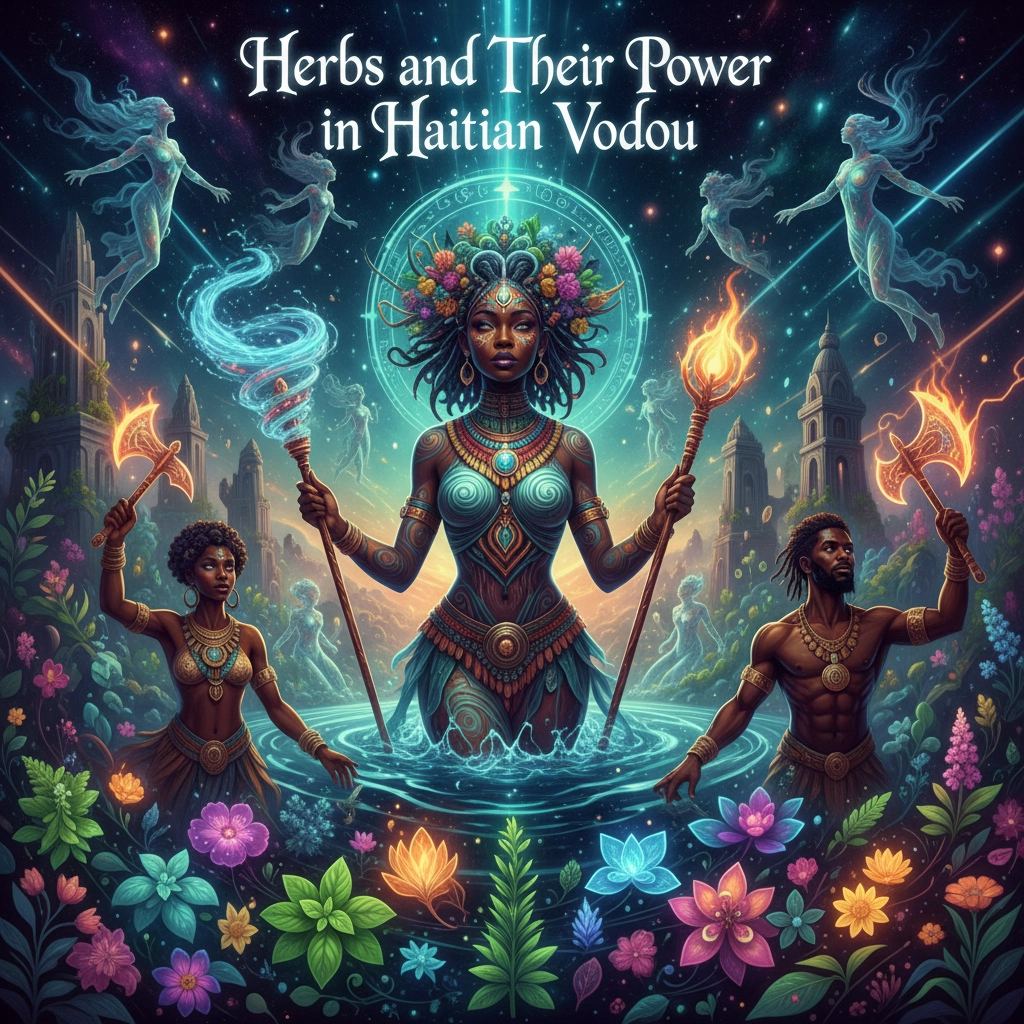
Listen up – if you think Haitian Vodou is just about dolls and Hollywood nonsense, you're missing the real magic happening in kitchens, gardens, and healing spaces across Haiti and the diaspora. The true power lies in something your grandmother probably already knew: plants are medicine, and medicine is spiritual.
In Haitian Vodou, herbs aren't just pretty decorations for your altar. They're living, breathing allies that connect you directly to the lwa (spirits) and carry centuries of ancestral wisdom. Every leaf, root, and flower holds ashe – spiritual power that can heal your body, protect your spirit, and transform your life.
But here's what most people don't understand: working with herbs in Vodou isn't about following some Pinterest recipe. It's about relationship, respect, and real knowledge passed down through generations of Black healers who knew how to read the earth's pharmacy long before Big Pharma existed.
The Real Healers: Doktè Fèy and Manbo
Let's get something straight – the people doing this work aren't playing games. In Haiti, doktè fèy (leaf doctors) and manbo (priestesses) spend decades learning which plants heal what conditions, how to harvest them properly, and when the spirits are ready to work through them.

These aren't weekend warriors who read a book and decided to call themselves herbalists. They're initiated practitioners who understand that every plant has its own spirit, its own personality, and its own rules. When a manbo collects leaves for a healing bath, she doesn't just grab whatever's convenient. She talks to the plant, explains what she needs, and leaves coins as payment – because that's how you show respect to living beings with spiritual power.
Your TikTok herbalist probably isn't telling you that part, are they?
The Heavy Hitters: Essential Herbs in Vodou Practice
Ready for some real knowledge? Here are the herbs that actually do the work in authentic Haitian Vodou practice:
Basil (Basilic) – This isn't just for your pasta sauce anymore. In Vodou, basil is spiritual protection in plant form. It clears negative energy, protects against the evil eye, and opens your spiritual sight. Manbo use it in cleansing baths and burn it to call in good spirits while pushing out the troublemakers.
Princess Vine (Cissus verticillata) – When fever hits and you need something stronger than aspirin, this vine combined with sugar creates a syrup that brings down heat and helps the body fight infection. But it's not just physical – it cools spiritual inflammation too.
Cocos Nucifera (Coconut Palm) – Every part of this tree works magic. The water cleanses, the oil protects, and the husks can be used for spiritual baths that wash away negativity. The lwa love coconut offerings, and smart practitioners keep coconut products on hand for emergency spiritual work.

Chenopodium ambrosioides (Epazote) – This herb doesn't mess around with parasites – spiritual or physical ones. It clears out what doesn't belong in your system and creates space for healing energy to flow. But handle with care – this one's powerful enough to cause problems if you don't know what you're doing.
Psidium guajava (Guava) – The leaves make teas that heal digestive issues, but spiritually, guava connects you to abundance and fertility. It's also used in baths for children to promote healthy growth and protect them from spiritual attacks.
How the Magic Actually Works: Preparation Methods
Here's where most people mess up – they think you can just throw some herbs in water and call it spiritual work. Wrong. The preparation is half the ritual, and if you skip steps, you're wasting your time and disrespecting the tradition.
Medicinal Baths (Bain Fèy) are the backbone of Vodou healing. But this isn't your basic Epsom salt situation. A proper spiritual bath requires:
- Fresh herbs collected with permission and payment
- Prayers spoken over the water as it heats
- Specific timing based on lunar cycles and the condition being treated
- Proper disposal of used plant material (never down the drain)

After your bath, those little pieces of leaves and flowers stuck to your skin? Don't rinse them off. They're staying put to continue their spiritual work. That's not dirt – that's medicine.
Decoctions and Teas follow similar rules. You don't just boil water and dump in plants. You speak to the herbs, explain what you need, and let them steep until they're ready to release their power. Some take minutes, others need hours. The plants will tell you when they're done if you know how to listen.
Powders and Wanga (spiritual objects) require even more precision. These aren't crafts you make while watching Netflix. They're created during specific spiritual states, with exact measurements and ritual protocols that have been tested for generations.
Busting the Myths: What Vodou Herbalism Isn't
Time for some real talk about what's been twisted and appropriated:
Myth 1: "It's just folk medicine" – False. While Vodou herbs heal physical conditions, they're working on spiritual levels that Western medicine doesn't even acknowledge. A fever isn't just a temperature – it might be spiritual attack, ancestral calling, or energy imbalance.
Myth 2: "You can substitute any herb" – Absolutely not. Each plant has its own spiritual signature and relationship with specific lwa. You can't swap basil for sage just because it's easier to find. That's like trying to call your grandmother by dialing your ex's number.
Myth 3: "More herbs means more power" – Wrong again. Vodou herbalism uses specific combinations in exact proportions. Adding extra ingredients because it feels more "magical" is like adding random spices to your grandmother's recipe and expecting it to taste the same.
Myth 4: "It's dangerous black magic" – This racist nonsense needs to stop. Vodou herbalism is primarily focused on healing, protection, and spiritual balance. The scary stuff Hollywood sells you isn't authentic practice – it's profitable stereotypes.

Working with Plants the Vodou Way: Practical Guidelines
Want to start incorporating Vodou herbal wisdom into your life? Here's how to do it without disrespecting the tradition:
Start with respect – Before you touch a single leaf, understand that you're entering a relationship with living spiritual beings. Plants aren't tools – they're teachers, allies, and sometimes, judges of your intentions.
Learn from authentic sources – Find practitioners with legitimate training, not Instagram influencers selling "Vodou-inspired" courses. Real knowledge comes with lineage, responsibility, and often, years of study.
Begin with simple practices – Start with basic cleansing baths using common herbs like basil or mint. Learn to feel their energy, listen to their guidance, and build relationship before moving to more complex work.
Pay attention to responses – Plants will let you know if they're working with you or against you. Headaches, skin reactions, or unusual dreams after herbal work aren't always "detox" – sometimes they're warnings.
Honor the tradition – Remember that this knowledge comes from African ancestors who survived slavery, colonization, and centuries of persecution. Approach it with the reverence it deserves, not as spiritual entertainment.

The Real Power: Connection Over Collection
Here's what the Instagram herbalists won't tell you – collecting every "powerful" plant won't make you powerful. The real magic happens when you develop genuine relationship with a few plants and learn to work with them deeply.
In authentic Vodou practice, herbalists often work with the same core group of plants for decades, learning their moods, seasons, and spiritual personalities. They know which basil plant in their garden is best for protection work and which one prefers healing applications. That's real plant medicine – not hoarding 50 different dried herbs you ordered online.
Your ancestors didn't need Amazon Prime to access plant power. They built relationships with the green beings around them, learned their languages, and created healing partnerships that lasted generations. That's the path of real herbalism – not the fast track to spiritual influencer status.
Stop looking for shortcuts and start building relationships. The plants are waiting to teach you, but first, you need to prove you're ready to learn.
Ready to work with herbs the way your ancestors intended? Start with one plant, approach with respect, and prepare for a spiritual education that no book or course can provide. The earth's pharmacy is open – but only for students willing to do the work.
